
Houseplants are more than just living greenery—they’re one of the most versatile decor elements you can use to style your home.
Indoor plants add texture, color, and personality to any room, making your space feel fresh and inviting.
Whether you want a bold statement plant in the living room or subtle greenery in your bathroom, houseplants can transform your space.

The secret to successful indoor plant decor is combining design fundamentals with proper plant care—especially light.
A perfectly styled shelf won’t look good for long if the plants aren’t getting enough light to thrive.
Here are ways to decorate your home with plants using timeless design principles.
This article contains affiliate links for advertisers of this site. See our disclosure page for more information.
Why Light is the Foundation of Indoor Plant Decor
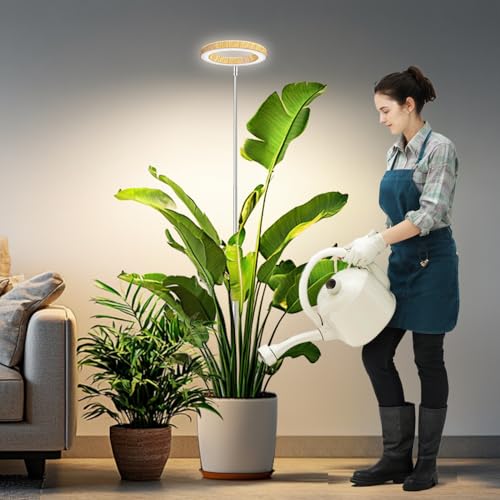
Remember: no design works if your plants aren’t healthy.
The number one factor in plant health is light.
- Shelf Styling: If you’re placing plants on a bookshelf or floating shelf, make sure the area gets enough natural light or add grow lights.
- Statement Plants: Large plants like fiddle leaf figs or bird of paradise need high light levels to maintain their bold leaves.
- Low-Light Options: For darker corners, choose plants like snake plants, ZZ plants, or pothos that tolerate less light.
Tip: Invest in modern grow lights if your ideal décor spot doesn’t get enough natural sunlight—they now come in sleek, design-friendly styles.
Indoor Plant Decor Ideas

-
Create a Focal Point with a Statement Plant
In interior design, every room needs a focal point, and plants can provide just that.
A tall monstera, fiddle leaf fig, or rubber plant can anchor the room and draw attention.
- Place in a decorative pot to make it shine.
- Position it in a bright corner or near furniture to enhance the overall look.

-
Use the Rule of Three
The rule of three creates natural balance and visual interest. Group plants in odd numbers, mixing sizes and textures.
- Example: Pair a tall snake plant, a medium peace lily, and a small trailing pothos together.
- Vary pot materials—like terracotta, baskets, or ceramic—for extra depth.

-
Play with Contrast
Contrast makes your plant styling pop:
- Light vs. Dark: Dark green leaves against white walls.
- Texture Contrast: Smooth, glossy ZZ plants paired with feathery ferns.
- Pot Contrast: Bold, modern planters next to rustic clay pots.

-
Go Bold with Statement Pieces
- One oversized plant can have the same impact as a gallery wall.
- Think big cactus, bird of paradise, or a mature palm.
- Keep other decor simple so your plant remains the star.

-
Add the Unexpected
The best indoor plant decor ideas often surprise you. Try:
- Unique containers or ways to display indoor plants.
- Placing plants in suprising nooks of a home.
- Bringing the outdoors inside in creative ways.
- Adding unusual plants that spark conversation.

-
Layer and Elevate Your Plants
- Don’t just keep plants on the floor—create layers. Use plant stands, tiered shelving, and hanging planters to build height and dimension. These plants are ideal for hanging.
- This also helps plants get the light they need.

-
Keep Your Style Cohesive
Mix and match, but keep some consistency:
- Choose a color theme for pots (neutrals, earthy tones, or brights).
- Stick to a certain style—minimalist, bohemian, or eclectic—for a polished look.

Healthy Plants Make the Best Home Decor
At the end of the day, no styling trick will look good if your plants aren’t thriving. Healthy plants = beautiful plants. To keep your decor looking fresh:
- Match plants to the light conditions in your home. For detailed care tips on 70+ houseplants, check out The Ultimate Indoor Plant Guide.
- Avoid overcrowding for good airflow.
- Water properly to prevent soggy soil and root rot. Want to track your plant care easily? The Ultimate Watering & Fertilizing Log is perfect for keeping plants healthy while decorating with them.
How to Decorate with Plants Successfully
Styling your home with plants combines the art of interior design with the science of plant care.
By using principles like the rule of three, focal points, contrast, and bold statement pieces—while keeping lighting in mind—you’ll create indoor plant decor that’s both stunning and sustainable.
Healthy plants don’t just look beautiful; they also make your home feel more vibrant, peaceful, and alive.